
Everyone wants to rank on Google.
Everyone wants more website traffic.
And everyone wants it fast.
The problem?
SEO doesn’t work fast — and it’s not supposed to.
Here’s the real breakdown of what SEO is, what’s happening behind the scenes, and why results take months instead of days.
What SEO Actually Is (Broken Down Simply)
SEO is the process of making sure Google understands:
- Who you are
- What you do
- Who you serve
- Why you should show up instead of your competitors
It’s not about tricking the algorithm.
It’s about building clarity and trust over time.
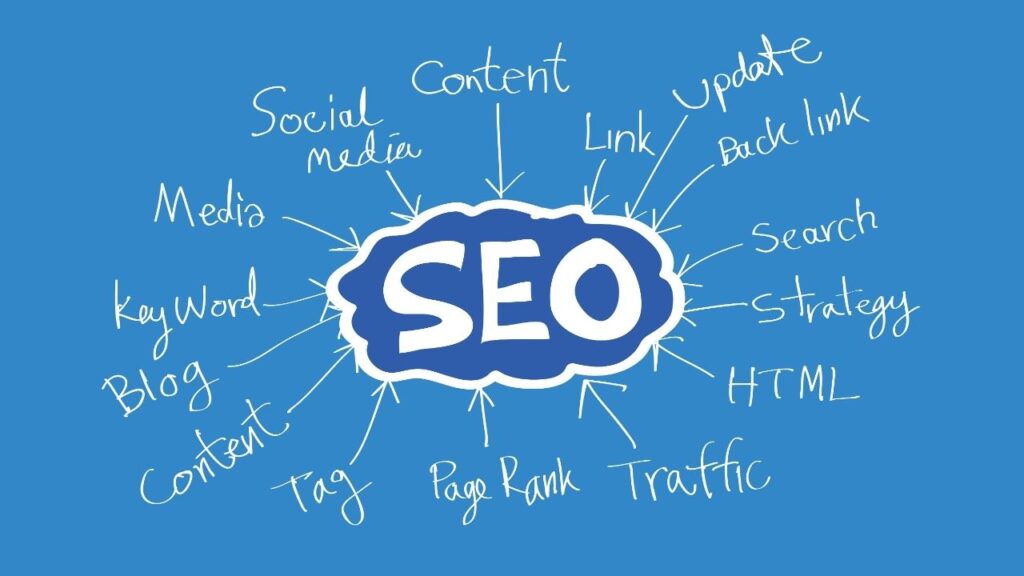
SEO is built from four main layers:
1. Technical SEO — The Foundation
This is everything Google checks before it even cares about your content:
- Website speed
- Mobile friendliness
- Clean code
- Proper page structure
- No broken links
- Correct indexing
- User-friendly layout
If the foundation is weak, Google won’t rank the site — no matter how “good” the content is.
2. On-Page SEO — What Your Pages Say
This includes:
- Keywords
- Headlines
- Alt tags
- Metadata
- Page titles
- Internal links
- URL structure
- Content clarity
This helps Google understand what your page is about and who it should show it to.
Think of this as the “labeling system” for your website.
3. Content SEO — The Value Google Measures
Google wants to know:
“Does this website help people?”
So it looks at:
- Blog posts
- Guides
- Service page explanations
- Articles
- Educational content
The more helpful and consistent the content, the more Google trusts you.
4. Off-Page SEO — What the Internet Says About You
This is everything happening outside your website:
- Backlinks
- Citations
- Directory listings
- PR articles
- Brand mentions
- Reviews
It’s Google’s version of reputation.
So… Why Does SEO Take So Long?
Because Google doesn’t rank websites instantly.
It has to watch your website over time and answer one question:
“Can I trust this site to give people the right information?”
Here’s what slows the process down:
1. Google Has to Crawl and Index the Site Repeatedly
Google doesn’t check your site once — it checks it over and over again.
It needs to see:
- Stability
- Consistency
- No broken pages
- No major issues over time
This alone can take weeks.
2. SEO Requires Data (and Data Takes Time)
Google tracks:
- How long people stay on your site
- What they click
- Whether they bounce
- Whether your content answers their questions
It can’t gather that data overnight.
3. New Content Needs to Build Authority
Publishing a blog doesn’t instantly make you an expert.
Google has to see:
- Consistent posting
- Consistent quality
- Consistent relevance
Authority is earned, not uploaded.
4. Google Compares You to Competitors
If your competitors have been investing in SEO for years, Google won’t bump them out of the way for your brand-new page.
You have to outperform them over time.
5. Backlinks Don’t Build Themselves Overnight
Reputation takes time.
Google needs to see that other sites trust you enough to link to you.
The Real SEO Timeline
Here’s the honest breakdown most agencies won’t say:
- Month 1–2: Foundation, fixing issues, keyword planning
- Month 3–4: Content starts gaining traction, early ranking movement
- Month 5–6: Noticeable increases in visibility and traffic
- Month 7–12: Strong rankings, consistent growth, real authority
SEO is like the gym — you don’t see results in a week, but consistency compounds.
Why SEO Is Worth It
Because unlike ads, which stop the moment you stop paying…
SEO keeps working for you.
A well-ranked page can:
- Capture leads daily
- Reduce ad spend
- Build trust
- Increase brand value
- Bring long-term traffic
You’re planting seeds that grow into something your competitors will have to fight to match.
The Takeaway
SEO takes time because it’s not a trick — it’s a reputation.
Google needs to trust you before it rewards you.
If you want fast? Run ads.
If you want long-term results that snowball over time? Invest in SEO.